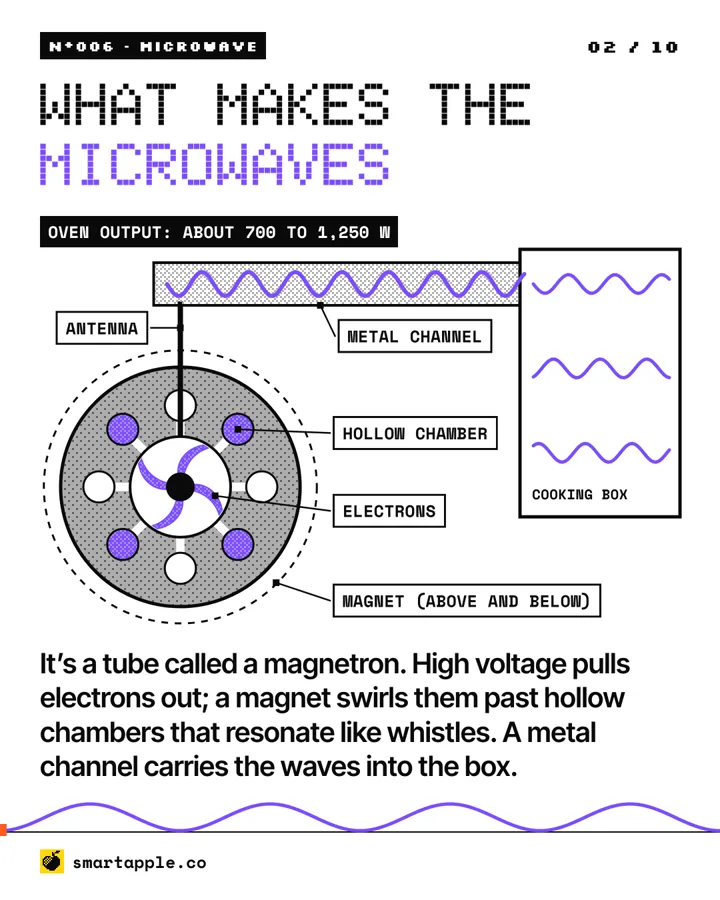
A tube called a magnetron fills the metal box with waves whose pull swings back and forth 2.45 billion times a second. Water molecules in the food twist with it and turn that motion into heat, most of it in the first 2 cm. The middle warms as heat spreads inwards, so stirring and standing time matter.
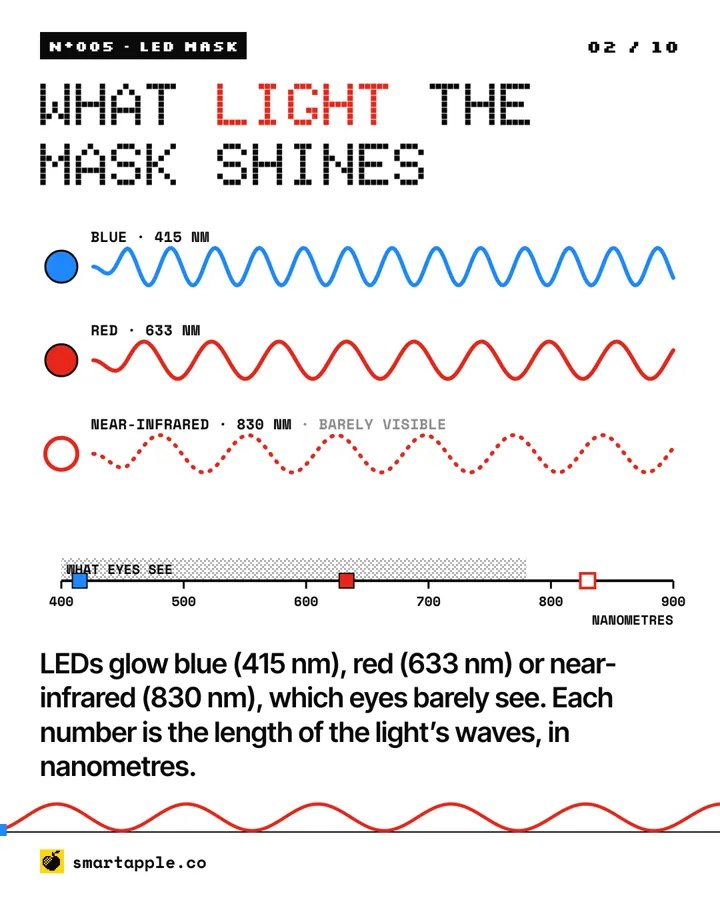
LED masks shine blue, red or near-infrared light onto the face. Red light reaches about 2 mm into the skin, where collagen is made, and in lab studies cells make more energy and collagen. Small trials found fewer inflamed acne spots and modest gains for fine lines. “FDA cleared” is not the same as “approved”.
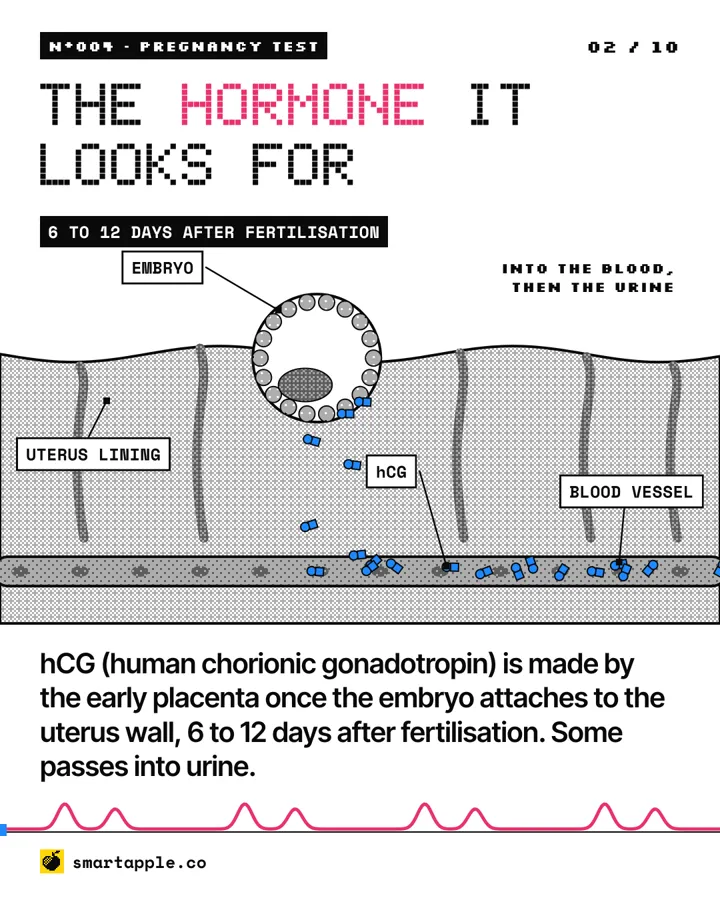
A home pregnancy test looks for hCG, a hormone made once an embryo attaches to the uterus wall. Urine moves along a paper strip by capillary action, carrying antibodies tagged with gold specks about 40 nanometres wide. Where hCG links them to the test line, the gold piles up into a pink line.
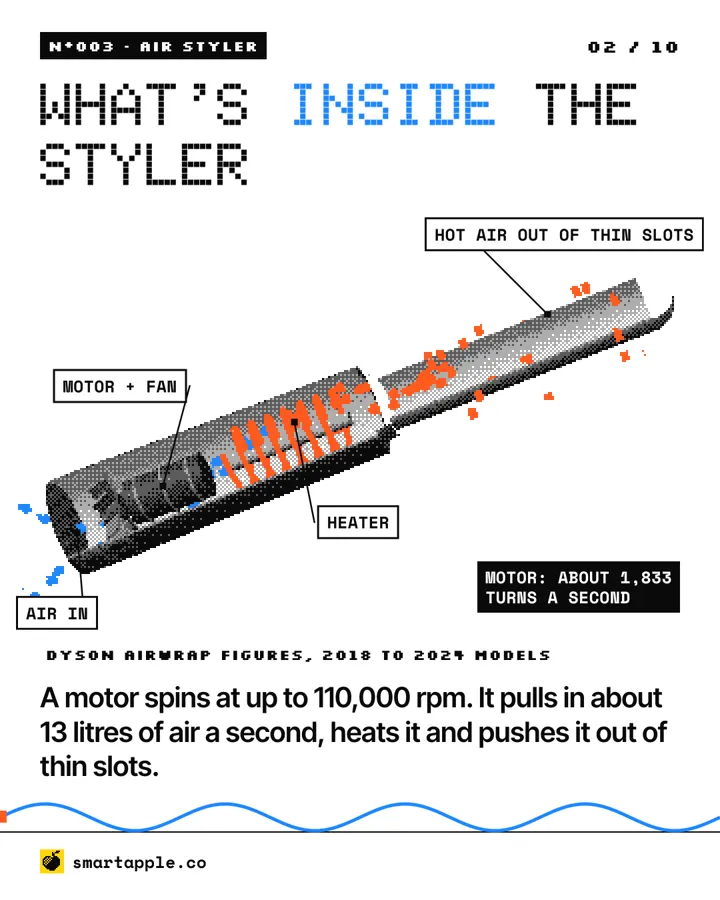
Air stylers have no clamp. A fast jet of air clings to the curved barrel (the Coandă effect), pulls the hair around it and dries it in place. As the hair dries in its new shape, weak bonds lock in the curl, until humid air undoes them.
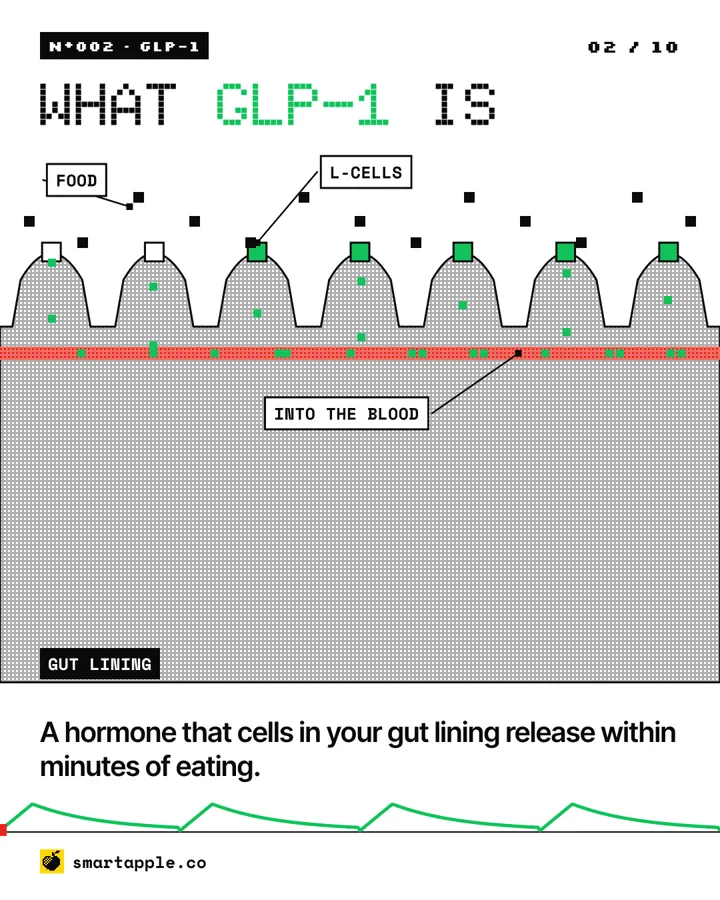
Semaglutide, the drug in Ozempic and Wegovy, copies GLP-1, a hormone your gut releases after meals. Your own GLP-1 lasts about two minutes; semaglutide’s half-life is about a week, so a weekly shot keeps acting on your brain, stomach and pancreas.
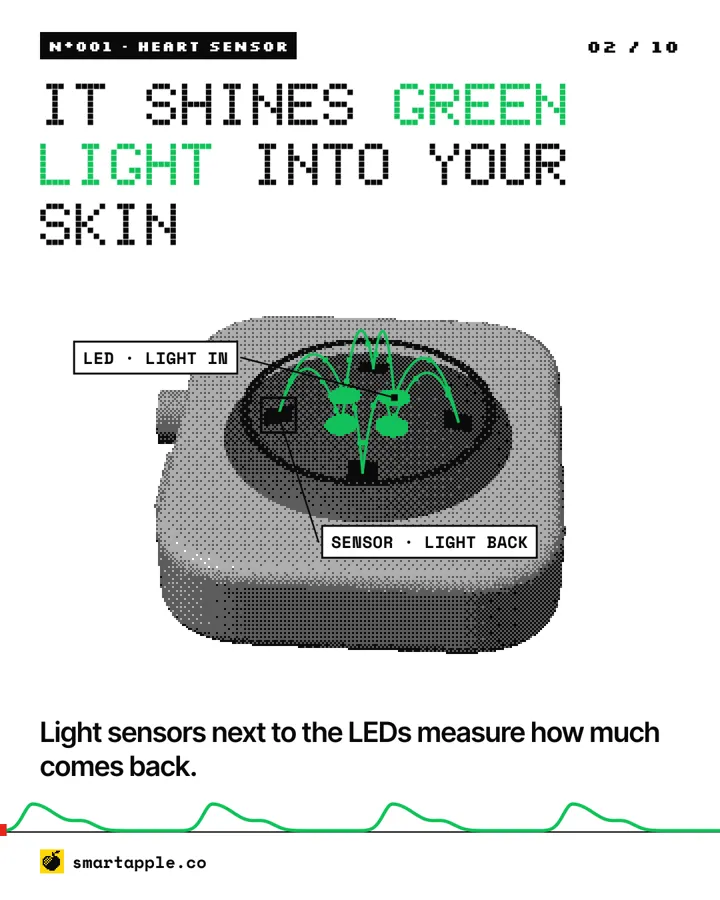
On the back of a smartwatch, green LEDs flash into your skin and light sensors measure how much comes back. Blood absorbs green light, so each heartbeat dims the returning light by about 1%, and the time between those dips gives your heart rate.